


Trench drain systems function as integral components of modern water management infrastructure. They are implemented across residential, commercial, and industrial settings to capture surface water and channel it safely into the broader drainage network. With construction techniques that emphasise proper grading and durable materials, these systems play an essential role in emergency flood prevention and routine drainage maintenance. Notably, providers such as 247 Drainage UK utilise advanced diagnostic methods—including CCTV surveys and high-pressure jetting—to ensure these systems operate effectively.
Etymology or Name Origin
The term “trench drain” originates from early civil engineering practices where simple, excavated channels were used to divert water from roadways and building perimeters. Historically, trenches were manually excavated to control flooding in urban developments, and as technology evolved, these water management methods were refined into the linear drainage systems used today. Over time, advancements in material science and construction techniques have transformed the rudimentary water channels into complex systems that meet strict regulatory standards and performance benchmarks.
Overview / Context
Trench drain drainage refers to the systematic method of managing surface water using a linear channel equipped with a grated covering. These systems are installed to ensure that rainwater and incidental water spills are efficiently captured and redirected. The design emphasises both function and accessibility for maintenance, integrating engineered sub-base layers and precise slope gradients to optimise gravitational water flow. Within the broader context of drainage and unblocking services, trench drains are recognised for their ability to prevent water pooling and to support the overall integrity of urban drainage infrastructure.
In urban and industrial applications, these systems serve as critical components by seamlessly connecting with larger drainage networks—such as soakaways and combined sewer systems—to regulate water levels and mitigate issues associated with excess surface runoff. Their installation is governed by industry standards and regulatory frameworks, ensuring that each system adheres to measurable performance criteria.
History
Trench drain systems have evolved significantly over time. Early implementations date back to ancient civilizations, where basic channels were dug alongside structures to divert heavy rainfall. With the rapid urbanisation during the Industrial Revolution, the need for more reliable drainage solutions became apparent. Early systems were constructed using locally available materials; however, over the subsequent centuries, technological advancements introduced the use of concrete and later, synthetic polymers.
The advent of modern engineering brought about the standardisation of trench drain design. In the latter half of the twentieth century, advancements in diagnostic technology, such as closed-circuit television (CCTV) surveys, revolutionised the approach to maintenance and fault detection. These technological improvements not only enhanced system reliability but also paved the way for more systematic classifications and reporting methods as defined by BS EN 13508 standards.
Today, trench drain systems incorporate a blend of traditional engineering principles with modern materials and digital diagnostics. This evolutionary journey reflects a response to both growing urban demands and stricter regulatory requirements, ensuring that these systems provide robust, long-term water management solutions.
Concept / Description
Trench drain drainage systems are engineered structures consisting of several key components:
Core Components
- Channel Structure: The main channel is a milled trench that is precisely designed to catch and transport water. Its configuration is critical in ensuring that water flows smoothly, preventing sediment accumulation.
- Grating System: The channel is covered by a removable, often perforated grate that allows water entry while blocking undesirable debris. This component is designed for durability, often constructed from high-grade materials to withstand heavy loads.
- Sub-Base: A well-compacted sub-base underlies the channel, ensuring structural stability and proper water flow. This layer is pivotal in maintaining the efficiency of the system by preventing settling and misalignment.
- Materials: Trench drain systems are typically fabricated from high-density polyethylene (HDPE), reinforced concrete, or stainless steel depending on the application. Each material offers specific advantages in terms of durability, cost, and long-term maintenance.
- Slope and Flow Dynamics: The system is installed with a precise gradient to ensure that water is driven by gravity. Proper slope design is essential to maintain flow rate and avoid stagnation.
Operating Principles
The operational efficacy of a trench drain system hinges on detailed engineering. Water captured on the surface flows into the channel through the grates, then is continuously conveyed towards an outlet. The channel itself is engineered to prevent clogging by combining optimal width, depth, and slope. Regular maintenance inspections, often augmented by CCTV technology, help in identifying early signs of wear or blockage, ensuring that the system remains fully operational.
Functionality / Purpose / Applications
Trench drain systems are deployed primarily to manage water flow and prevent the deleterious effects of surface water accumulation. Their applications are diverse:
Key Functions
- Flood Mitigation: By intercepting water before it reaches critical areas, these systems play a central role in flood prevention. In urban settings, they are integral to protecting pavements and buildings from water-induced damage.
- Infrastructure Support: Trench drains contribute to the longevity of structural assets. They minimise water exposure to foundations and adjacent surfaces, thereby reducing potential deterioration.
- Stormwater Management: The systems are essential in controlling runoff during heavy rainfall, ensuring that surplus water is rapidly conveyed away from high-risk areas.
- Maintenance Facilitation: Designed to be accessible, trench drains allow for routine cleaning and regular maintenance. This accessibility ensures that minor issues do not escalate into major blockages or system failures.
Applications
Trench drain systems are widely utilised across:
- Residential Environments: Installed in driveways, patios, and around building perimeters to protect homes from water pooling.
- Commercial Settings: Used in shopping centres, office buildings, and parking lots to manage high volumes of surface runoff.
- Industrial Facilities: Implemented in factories and warehouses where rapid water drainage is critical due to large impermeable surfaces.
- Public Infrastructure: Deployed along roads and urban pathways to facilitate efficient stormwater management and prevent urban flooding.
The adaptability of trench drain systems to various environments underpins their prevalent use. Each installation is tailored to site-specific parameters, addressing local water management challenges through engineered precision and robust design.
Classifications / Types / Variants
Trench drain systems are categorised based on design characteristics and application-specific requirements:
Classification by Configuration
- Linear Trench Drains: These systems feature a continuous channel that is ideal for extensive areas such as highways or large parking lots.
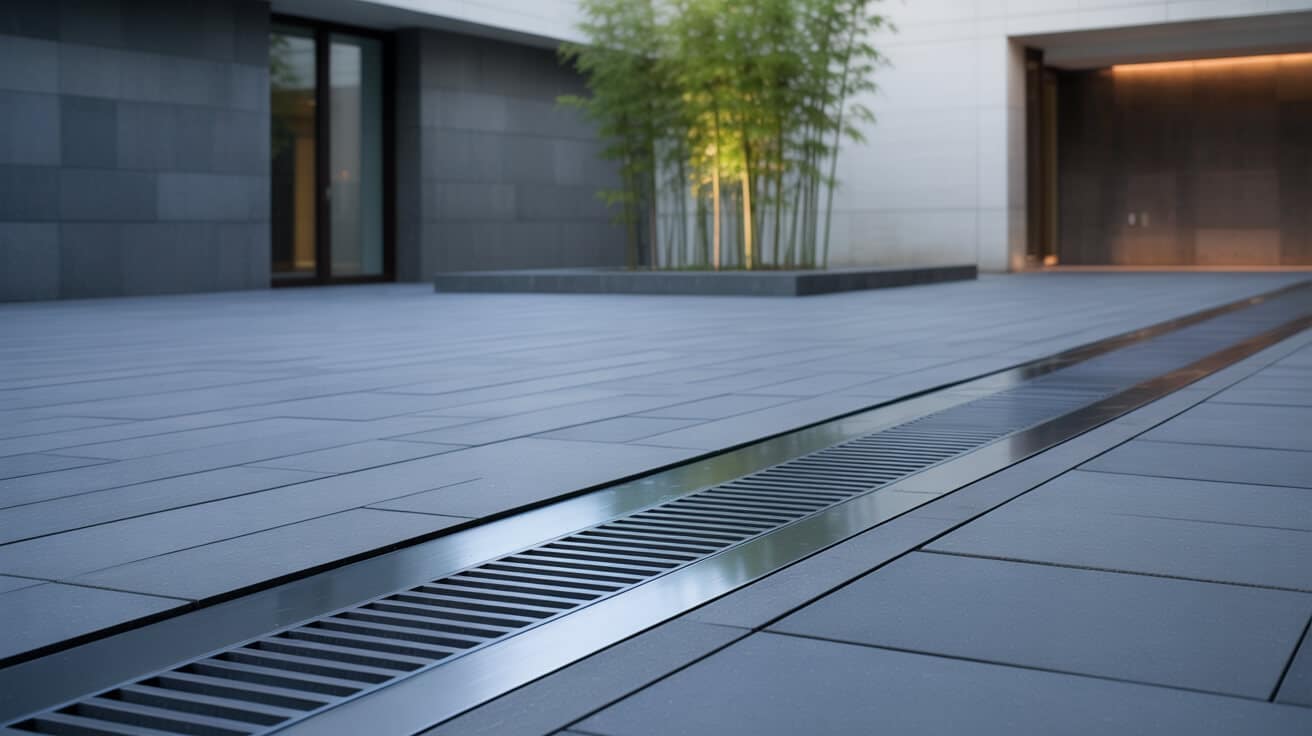
- Slot Drains: Notable for their minimal visual impact, slot drains are designed with narrow openings and integrated flush systems, often used where aesthetics are important.
- Channel Drains: Characterised by broader channels, these systems are built for high-flow applications. They offer enhanced capacity through a larger cross-sectional area.
- Modular Systems: These systems are configured from interchangeable components, providing flexibility in assembly and allowing customization to meet varied site needs.
Variants and Design Differences
Each variant offers unique benefits:
- Material Variants: Options such as HDPE, concrete, and stainless steel affect performance metrics like durability and resistance to environmental factors.
- Hybrid Systems: Combining conventional designs with modern innovations, these systems aim to maximise function and minimise maintenance complexity.
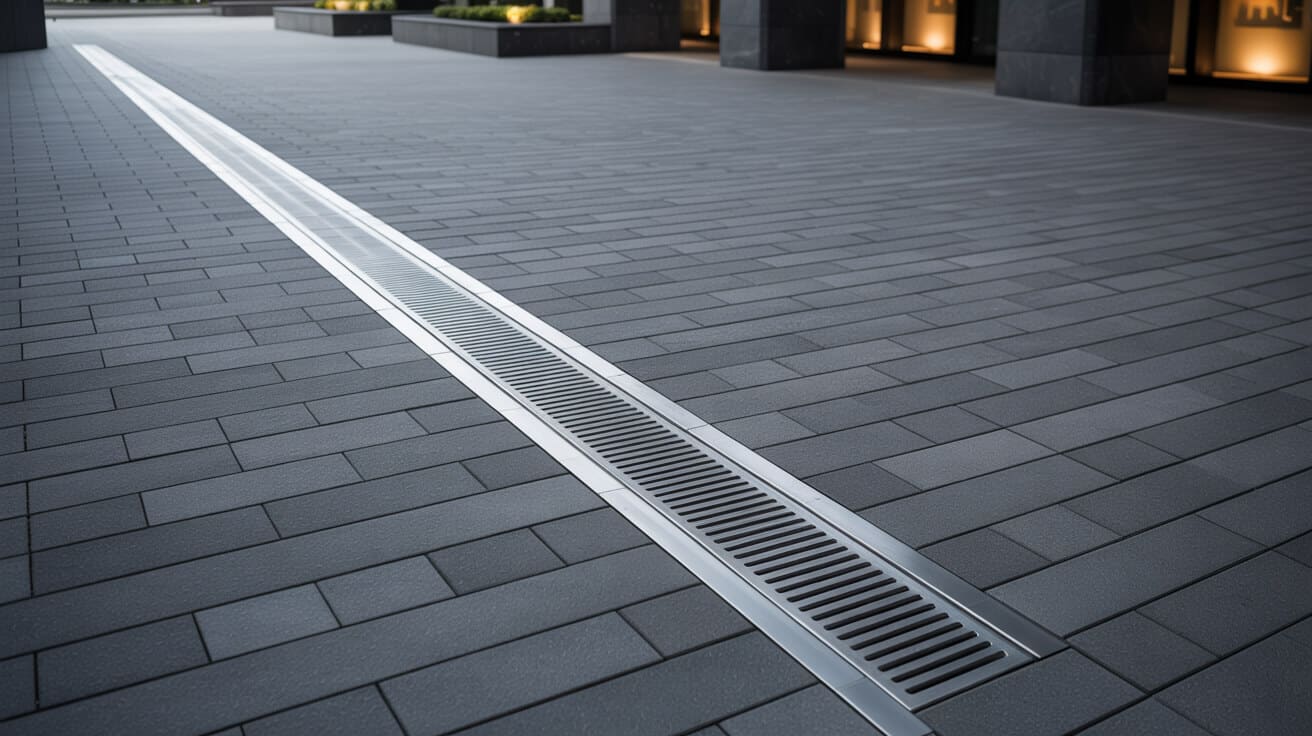
- Aesthetic Customizations: In some urban deployments, trench drains are designed to blend with the surrounding architecture, incorporating design features that enhance the visual landscape while maintaining functional performance.
The selection of a particular system type involves evaluating the environmental conditions, predicted water volumes, and diagnostic needs. The appropriate variant is determined by a combination of engineering calculations and regulatory compliance requirements, ensuring that the installation meets both performance and design criteria.
Systems / Tools / Methodologies
Effective implementation of trench drain drainage systems relies on a suite of specialised tools and methodologies:
Diagnostic and Maintenance Technologies
- CCTV Surveys: High-resolution CCTV cameras are used to inspect internal drain conditions, with real-time visual feedback enabling the identification of blockages, cracks, and other defects. The surveys follow standardised defect coding protocols to ensure consistent reporting.
- Dye and Smoke Testing: These methods are employed to trace water flow and identify connectivity issues. A non-toxic dye or smoke is introduced to visualise and map the water path within the drainage system.
- High-Pressure Jetting: This technique is used to clear blockages by injecting high-pressure water to dislodge and remove debris. It is integral for restoring normal flow in clogged systems.
- Mechanical Rodding: When blockages persist, mechanical rodding is applied to physically remove obstructions. This method supplements jetting, especially in systems where roots or solid debris are the primary cause of clogs.
Reporting & Mapping Tools
- Software Applications: Tools such as WinCan VX support comprehensive reporting by analysing CCTV footage, mapping system layouts, and generating detailed defect assessments in line with BS EN 13508 standards.
- CAD Software: AutoCAD is often used to create precise drainage maps, allowing for accurate planning and post-repair documentation.
- Measurement Instruments: Devices measuring flow capacity, sub-base compaction, and percolation rates provide quantitative data that inform maintenance schedules and performance assessments.
Methodological Best Practices
- Regular Maintenance Protocols: Scheduled inspections and cleaning regimes contribute significantly to the long-term performance of trench drain systems. Maintaining a periodic regimen not only prevents the escalation of minor issues but also extends the operational lifespan of the installation.
- Standardised Reporting: Adherence to industry standards in diagnostic reporting enables consistent communication between service providers and clients, ensuring that maintenance actions are fully documented and traceable.
These systems and methodologies collectively enhance the reliability and longevity of trench drain installations. They allow service providers to deliver high-quality maintenance services that restore and preserve drainage efficiency.
Stakeholders / Entities Involved
The ecosystem surrounding trench drain drainage comprises several key entities, each contributing to the overall efficiency and compliance of the systems:
Service Providers and Contractors
- Drainage Specialists: Companies such as 247 Drainage UK offer comprehensive installation, maintenance, and repair services. Their technical expertise and adherence to regulatory norms position them as trusted operators in this domain.
- Maintenance Contractors: These specialists conduct routine inspections, perform cleaning operations, and conduct emergencies to ensure that the drainage systems operate as intended.
Property Owners and Managers
- Residential Owners: Homeowners rely on effective drainage systems to protect their properties from water damage. Regular maintenance helps in averting costly repairs.
- Commercial and Industrial Managers: Facilities managers and commercial property owners demand reliable and efficient drainage solutions to maintain operational continuity and comply with safety regulations.
- Letting and Managing Agents: They oversee the maintenance and repair of drainage systems in multi-unit residential properties, ensuring service continuity across shared assets.
Regulatory and Oversight Bodies
- Building Regulations Authorities: UK Building Regulations (Part H, Part M) set the framework for the design and maintenance of drainage systems to ensure the health and safety of occupants.
- Standards Organisations: Bodies that enforce standards such as BS EN 13508 and BS EN 752 establish benchmarks for diagnostic reporting and overall system design.
- Environmental and Health Safety Agencies: Agencies such as the Environment Agency and the Health and Safety Executive (HSE) monitor compliance with environmental and occupational safety guidelines, ensuring that drainage systems do not pose ultimate risks to public health.
Suppliers and Manufacturers
- Material Providers: Suppliers of HDPE, concrete, and stainless steel components play an essential role by offering materials engineered for durability and performance in harsh environments.
- Equipment Manufacturers: Producers of CCTV systems, jetting units, and mechanical rodding tools enable the continuous improvement of diagnostic and maintenance processes across the industry.
These stakeholders work collaboratively to ensure that trench drain drainage systems are installed and maintained in alignment with industry and regulatory standards, thereby safeguarding property and supporting effective water management practices.
Legal / Regulatory / Ethical Considerations
The regulatory framework surrounding trench drain systems is robust and multifaceted, ensuring that design, installation, and maintenance practices adhere to established safety and environmental norms:
Regulatory Frameworks
- UK Building Regulations: These standards, particularly Part H and Part M, dictate the minimum requirements for drainage infrastructure. They ensure that trench drain installations meet criteria for accessibility, safety, and functional efficacy.
- Industry Standards: Standards such as BS EN 13508 guide the inspection and defect coding processes using CCTV, while BS EN 752 provides additional guidance on the overall design of drainage systems.
- Health and Safety Requirements: Legal requirements mandated by CDM 2015 and HSE guidelines ensure that all maintenance and repair operations are conducted with appropriate safety equipment and procedures, particularly in confined spaces.
Ethical and Compliance Considerations
- Transparent Reporting: Service providers are expected to maintain transparency in their diagnostic processes. Detailed reporting protocols, supported by tools like WinCan VX, allow clients to understand the condition and necessary maintenance actions without ambiguity.
- Environmental Obligations: Ethical practices in drainage maintenance include responsible disposal of waste materials and the implementation of eco-friendly technologies where possible. The environmental impact of high-pressure jetting and material choices is increasingly scrutinised.
- Regulatory Compliance: Adherence to both legal and ethical standards is paramount in maintaining high service quality. Compliance audits and certifications, such as those provided by WRAS, help ensure that all aspects of system design and maintenance are properly managed.
In practice, these regulations and ethical considerations form the backbone of trench drain drainage system management. Compliance is not only a legal necessity but also a marker of quality and reliability, assuring clients that the systems they invest in meet current standards and safeguard their assets.
Performance Metrics / Data / Measurements
The effectiveness of trench drain drainage systems is quantified using several performance metrics and measurements:
Key Performance Indicators
- Flow Capacity: Measured in litres per second, this metric evaluates the system’s ability to handle large volumes of water. It is critical for assessing whether a drainage system can cope with peak water loads.
- Percolation Rates: These rates analyse the efficiency of the sub-base in absorbing water. High percolation values indicate that the underlying soil or composite materials perform well in reducing surface water accumulation.
- Structural Integrity Assessments: Regular checks using CCTV and manual inspections measure the condition of the channel, grates, and sub-base. Structural evaluations help gauge the longevity of the installation.
- Maintenance Frequency: The interval between scheduled cleanings and emergency interventions provides a practical measure of system performance. Optimally maintained trench drains exhibit lower defect recurrence rates.
Testing and Documentation
- Diagnostic Reporting: Detailed reports generated via WinCan VX and similar software include defect coding based on BS EN 13508. These reports provide both qualitative and quantitative insights into system condition.
- Economic and Operational Metrics: Cost analyses that compare routine maintenance against emergency repair costs serve as a practical measure of return on investment and overall system efficiency.
- Comparative Benchmarks: Data from multiple installations can be compared to establish industry benchmarks. These benchmarks are used by service providers to refine practices and improve future installations.
A systematic approach to measurement ensures that trench drain systems operate within optimal parameters, making it possible to schedule preventative maintenance and prevent costly failures.
Challenges / Barriers / Limitations
Trench drain drainage systems, while effective, face several challenges that can affect performance and maintenance:
Operational Challenges
- Blockages: Routine blockages caused by debris, grease build-up, or root ingestion can impede water flow. These blockages require prompt and effective maintenance to prevent system failure.
- Material Degradation: Over time, exposure to harsh environmental conditions can lead to wear and tear in both the channel and grates. Degradation of materials such as HDPE or concrete can reduce system efficiency.
- Installation Variability: Differences in installation techniques and sub-base preparation can lead to performance inconsistencies. Variability in slope gradient or compaction quality can compromise the intended gravitational flow.
Economic Considerations
- Cost of Maintenance: Regular diagnostic inspections, high-pressure jetting, and mechanical rodding add to the operational expenses. For property owners, recurring maintenance expenses can be a significant concern.
- Emergency Repairs: Unforeseen failures, especially during extreme weather, may require urgent repair services, which are often more expensive than routine care.
Regulatory and Environmental Issues
- Compliance Complexity: Adhering to evolving regulations such as updated building codes and environmental standards can complicate both installation and ongoing maintenance.
- Installation Constraints: In older or densely populated urban areas, retrofitting trench drain systems to meet modern standards poses challenges due to limited space and disrupted access.
- Environmental Impact: The sustainability of maintenance practices, including water usage in jetting and the environmental footprint of repair materials, is an ongoing concern.
Despite these challenges, the continuous evolution in materials, installation practices, and diagnostic technologies helps mitigate many operational barriers, ensuring that trench drain systems remain a reliable solution for water management.
Impact / Influence / Legacy
Trench drain drainage systems have integrated themselves into the fabric of modern urban infrastructure, exerting both direct and long-term influences:
Infrastructure and Prevention
- Flood Control: By efficiently channelling excess water, trench drain systems significantly reduce the risk of localised flooding, which in turn protects buildings and public spaces from water damage.
- Structural Protection: Effective drainage minimises the exposure of foundations and other key structural elements to water, thereby enhancing the longevity of buildings and infrastructure.
- Maintenance Efficiency: Regular, scheduled maintenance, supported by advanced diagnostic tools, reduces the likelihood of unexpected failures and supports cost-effective operation over time.
Economic Contributions
- Cost Savings: By preventing extensive water damage and prolonging the operational lifespan of drainage systems, these installations offer substantial long-term savings. For property owners, the economic benefits include reduced emergency repair costs and improved asset protection.
- Market Development: The integration of trench drain systems into modern construction practices has spurred innovations in related maintenance services and tools. Service providers such as 247 Drainage UK contribute to setting industry benchmarks through consistent, transparent practices.
Environmental and Societal Influences
- Sustainable Water Management: Trench drains play a vital role in managing stormwater, reducing runoff, and limiting urban water pollution. Their effective management supports broader sustainability initiatives in urban planning.
- Standardisation and Regulation: The development and adherence to industry standards, such as BS EN 13508, have elevated the quality and reliability of drainage systems. This standardisation benefits the entire construction and maintenance sector by ensuring uniformity and safety.
- Technological Advancements: The adoption of modern diagnostic tools, such as CCTV surveys and smart sensors, has not only improved maintenance outcomes but has also driven improvements in the design and implementation of future drainage solutions.
These impacts reflect the enduring significance of trench drain systems in improving urban water management and advancing construction practices, ensuring their continued legacy within the industry.
Future directions, cultural relevance, and design discourse
The evolution of trench drain drainage systems will continue to be driven by technological innovation, regulatory refinement, and broader societal shifts. Insights into future developments include:
Technological Integration
- Smart Sensor Networks: The integration of smart sensor technology promises to enable real-time monitoring of water flow, automated detection of blockages, and predictive maintenance. Such advancements could drastically reduce emergency incidents and optimise system performance.
- Advanced Diagnostic Tools: Emerging tools with higher-resolution imaging and machine-assisted defect analysis are likely to enhance the accuracy of routine inspections. Future diagnostic systems may incorporate artificial cognitive models that provide even more detailed assessments of structural risks.
Material Innovations
- Eco-Friendly Materials: Research into sustainable, durable materials could offer alternatives to conventional HDPE or concrete. New composite materials may provide improved performance under variable environmental conditions while reducing the ecological footprint.
- Modular and Adaptive Designs: Advances in modular construction techniques could lead to systems that are easier to instal and maintain. Adaptive designs that allow for on-demand scalability and customization will be vital in addressing diverse site-specific challenges.
Regulatory and Cultural Shifts
- Evolving Standards: The refinement of building regulations and industry standards is anticipated as new technologies emerge and the impacts of climate change become more pronounced. These regulatory updates will likely set higher benchmarks for drainage system performance and safety.
- Urban Sustainability: In the context of sustainable urban planning, trench drain systems will be increasingly integrated with green infrastructure initiatives. This integration will not only address water management challenges but will also contribute to the aesthetic and ecological resilience of urban spaces.
- Design Discourse: Ongoing debates within the design and engineering communities are likely to promote practices that balance form and function. This dialogue emphasises not only the technical efficiency of trench drains but also their contextual appropriateness in public and private spaces.
These future directions promise a transformative impact on trench drain systems. As technological, material, and regulatory landscapes evolve, the design and maintenance of these systems will progressively adapt, supporting a more sustainable, efficient, and resilient urban water management framework.